Inspire Apps
GOODBASE™ Framework

Good solutions need a GOODBASE.

An eight-principle framework for keeping business improvement, digital transformation and technology decisions grounded in real business value.

GOODBASE helps us decide what should change, why it matters, and whether identified intervention is the right answer.

Discuss a Business Problem
GOODBASE Framework - Grounded in Real Business Value
Why GOODBASE

Transformation fails when fundamentals are skipped.

“A business does not create value by having more technology. It creates value by solving the right problem in a way people can actually use.”

Many improvement initiatives begin too late in the decision process: a software has already been selected, an automation idea has already been approved, or a deliverable has already been defined.

GOODBASE moves the conversation back to fundamentals. What is the business goal? What outcome matters? What does the data say? Can the process be simplified? Will people adopt the change? Is technology justified at all?

It is not a rigid project methodology. It is a practical set of decision principles that can be applied during consulting, transformation and implementation.

GOODBASE is designed to prevent the common mistake of confusing activity with improvement and technology with transformation.
The Eight Principles
GOODBASE

Each principle acts as a decision filter. Used together, they help keep an intervention relevant, practical and value-oriented.

G

Goals at the Centre

Improvement begins with the business goal, not with a preferred tool, methodology or technology. A clear goal gives every intervention a reason to exist.

Goals at the Centre
Decision Test

What measurable business objective are we trying to advance?

How the perspective changes
1
Initial view“We need a CRM.”
GOODBASE view“We need to improve enquiry-to-order conversion and stop leads from getting lost.”
What changesThe system becomes a means; conversion, response time and visibility become the design criteria.
2
Initial view“Build a management dashboard.”
GOODBASE view“Management needs to identify cargo shortfall early enough to intervene.”
What changesThe dashboard is designed around decisions and exceptions, not around displaying every available metric.
3
Initial view“Automate this process.”
GOODBASE view“Reduce turnaround time and repetitive effort without weakening control.”
What changesAutomation is judged by the operating goal rather than by how much of the process can technically be automated.
O

Outcomes Before Deliverables

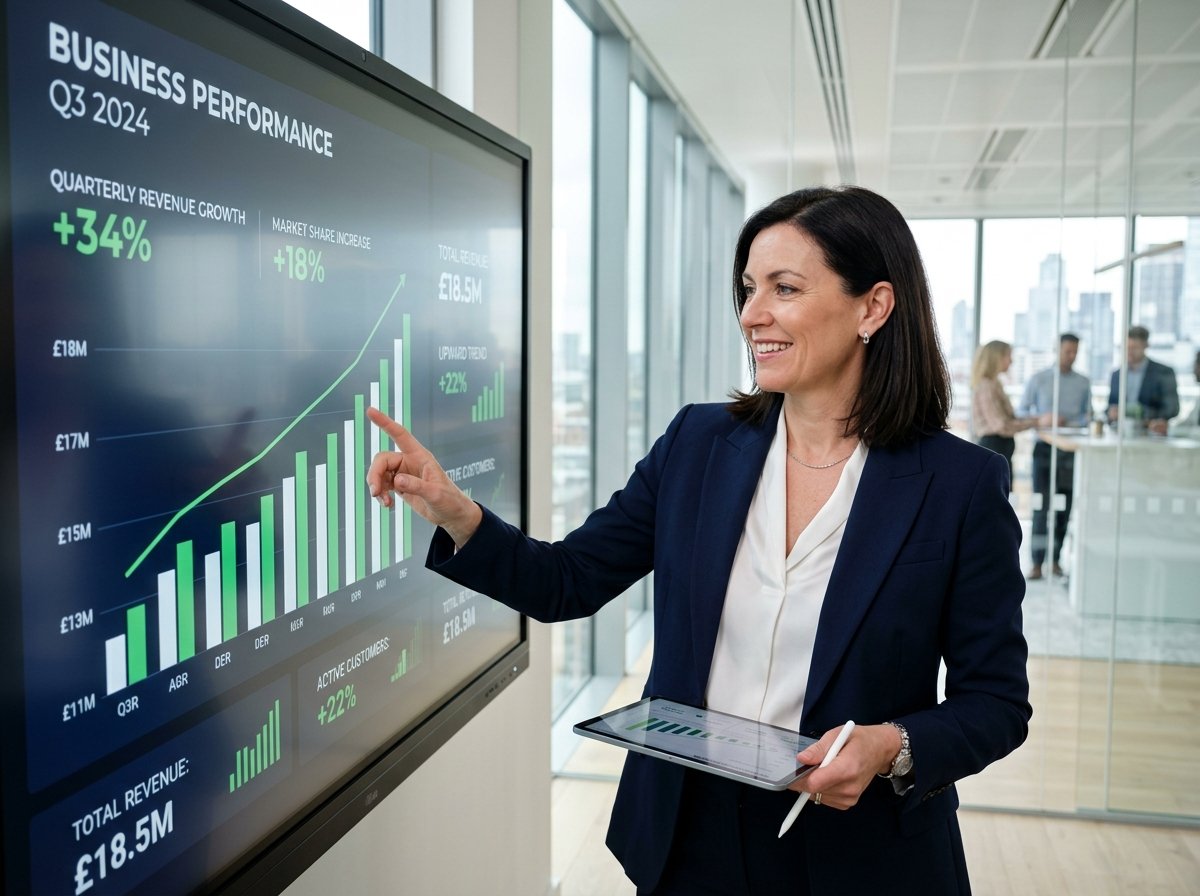
A report, dashboard, app or workshop is a deliverable. The real test is whether it changes performance, decisions, customer experience, cost, capacity or risk.
Outcomes Before Deliverables
Decision Test

What will be different in the business if this work succeeds?

How the perspective changes
1
Initial view“Deliver the app by December.”
GOODBASE view“Customers should be able to obtain vessel and cargo status without calling the data cell.”
What changesSuccess moves from software delivery to customer self-service and reduced service friction.
2
Initial view“Complete the MIS project.”
GOODBASE view“Management should receive consistent FTD/MTD/YTD information automatically every day.”
What changesThe outcome is timely decision information and released employee capacity, not a report template.
3
Initial view“Conduct a training programme.”
GOODBASE view“Managers should handle higher-value customer conversations more effectively.”
What changesTraining content and follow-up are tied to changed workplace behaviour.
O

Organizational Buy-in

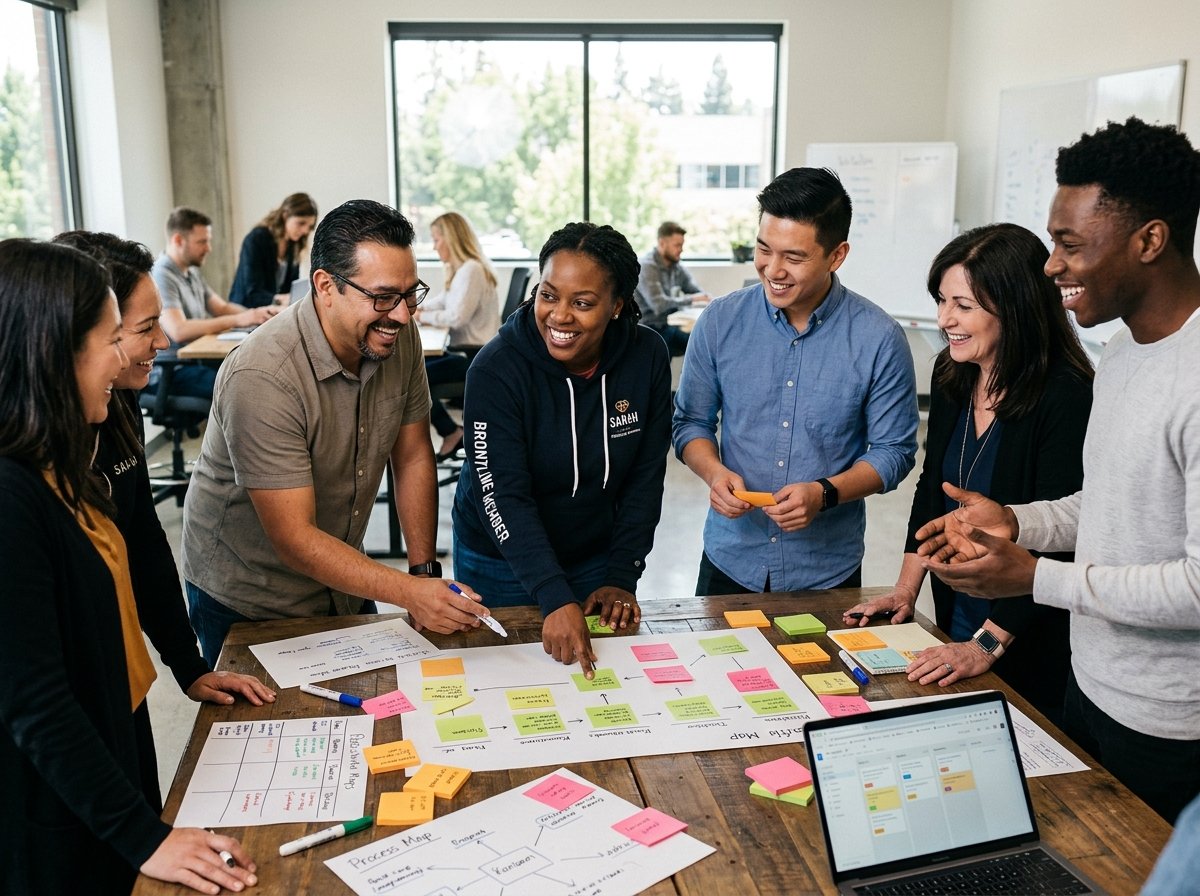
Even a technically correct solution can fail without ownership from the people who must use, support and sustain it.
Organizational Buy-in
Decision Test

Who must believe in, own and operate the change?

How the perspective changes
1
Initial view“Management has approved the new workflow.”
GOODBASE view“Have frontline users, supervisors and process owners helped shape how it will actually work?”
What changesOwnership shifts from sponsor approval to operational participation.
2
Initial view“The new software is ready to launch.”
GOODBASE view“Who will use it daily, support exceptions and reinforce the new process?”
What changesRollout planning includes user ownership, support and governance.
3
Initial view“We will standardize the process centrally.”
GOODBASE view“What local realities could make teams bypass the standard?”
What changesStandardization is designed with the people who must sustain it, reducing workarounds.
D

Data Before Assumptions

Decisions should be grounded in evidence from the actual business - transactions, processes, customer behaviour, operating data and frontline reality.

Data Before Assumptions
Decision Test

What evidence supports our diagnosis, and what are we merely assuming?

How the perspective changes
1
Initial view“Crane delays are mainly equipment problems.”
GOODBASE view“What do correctly captured cause-level delay data actually show?”
What changesIn the crane HMI case, capture moved closer to the operator so corrective action could be based on more reliable reasons.
2
Initial view“Customers are satisfied because complaints are low.”
GOODBASE view“What do service data, customer feedback and actual enquiry behaviour show?”
What changesSilence is no longer treated as satisfaction; evidence defines the service problem.
3
Initial view“We need more tank capacity.”
GOODBASE view“What do fill levels, contractual status and actual availability across 100+ tanks show?”
What changesThe question can shift from adding capacity to seeing and utilizing existing capacity better.
B

Business Value Before Technology

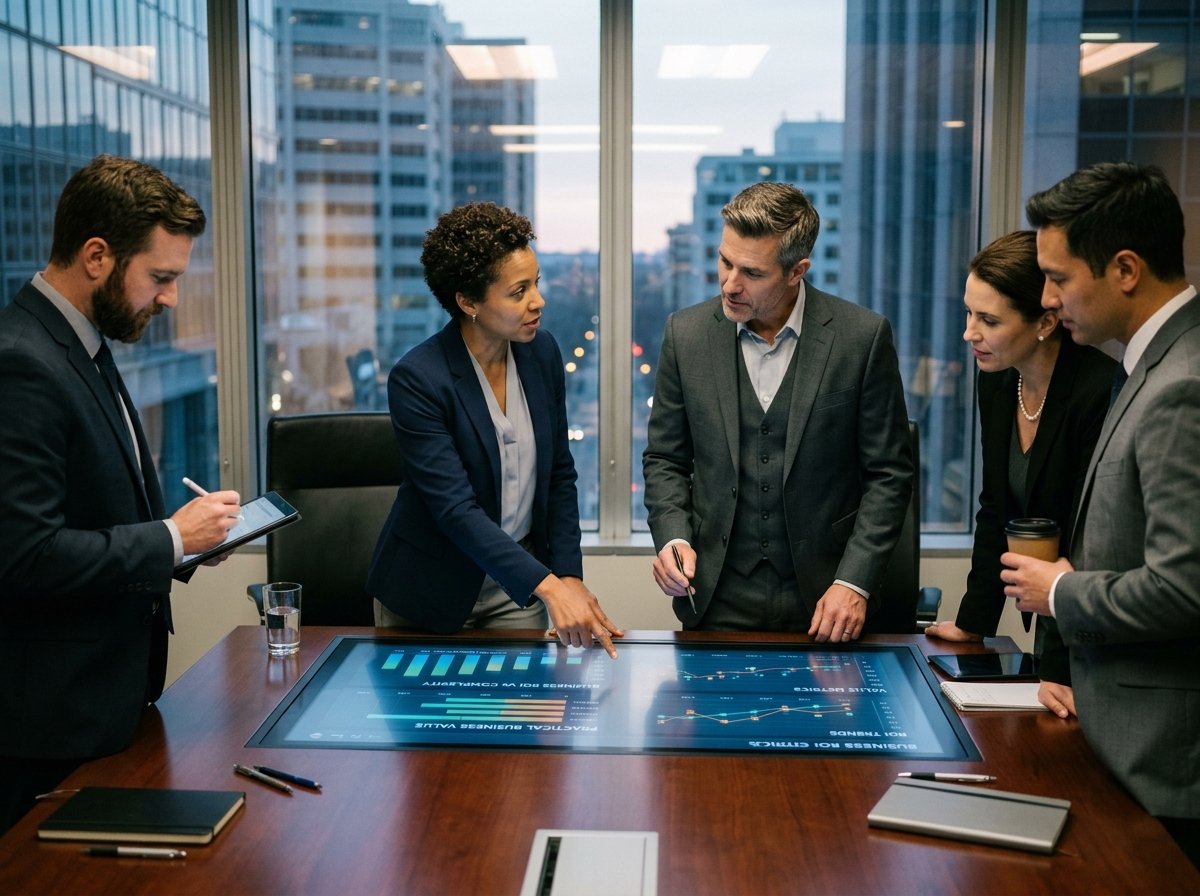
Technology is justified by the business value it enables, not by novelty. The question is not whether a tool is impressive, but whether it creates relevant value.
Business Value Before Technology
Decision Test

Where will technology materially improve cost, capacity, decisions, experience or opportunity?

How the perspective changes
1
Initial view“AI is the future; where can we use it?”
GOODBASE view“Which decisions or repetitive tasks have enough value, data and frequency to justify AI?”
What changesAI competes with simpler workflow, rules and process changes instead of becoming the default answer.
2
Initial view“Put tablets in the field.”
GOODBASE view“Will point-of-work mobile capture make data faster, more accurate or more actionable?”
What changesIn pilotage recording, mobility had value because it moved data capture closer to the actual operation.
3
Initial view“We need a customer app.”
GOODBASE view“Which customer friction disappears if information becomes directly accessible?”
What changesThe Vessel & Cargo Tracker was framed around self-service and service quality, not app ownership.
A

Adoption Before Features

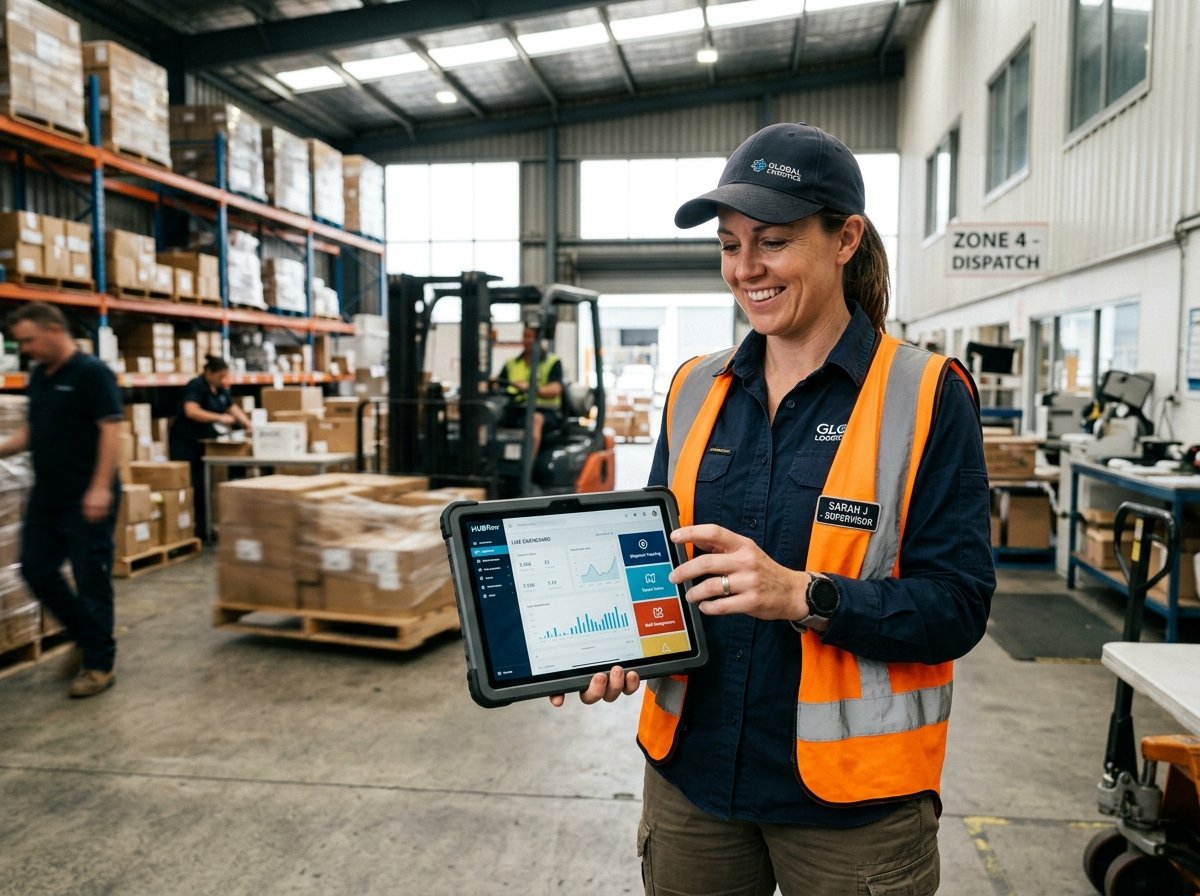
A smaller solution that people use well can create more value than a feature-rich system they avoid. Adoption must influence design from the beginning.
Adoption Before Features
Decision Test

What will make the intended users actually use this in their daily work?

How the perspective changes
1
Initial view“Add every requested feature before launch.”
GOODBASE view“Which few capabilities solve the user’s most frequent and valuable tasks?”
What changesPriority shifts from feature count to usable workflow.
2
Initial view“Users will adapt after training.”
GOODBASE view“What makes the new process easier, clearer or more useful than the workaround they use today?”
What changesAdoption becomes a design requirement, not a post-launch assumption.
3
Initial view“The HMI should capture detailed narratives.”
GOODBASE view“Can the operator record the right delay reason with a simple action during live operations?”
What changesThe interface is shaped around the operating context, reducing friction in data capture.
S

Simplify Before Automating

Automating a bad process can make waste move faster. Remove unnecessary steps, ambiguity and handoffs before digitizing them.

Simplify Before Automating
Decision Test

What can be removed, combined, clarified or standardized before we automate?

How the perspective changes
1
Initial view“Automate the Excel report.”
GOODBASE view“Why move data through Excel at all if the database already contains it?”
What changesThe Cargo MIS flow became database → calculation → formatted report → automated distribution, eliminating unnecessary manual steps.
2
Initial view“Digitize the existing approval chain.”
GOODBASE view“Which approvals exist because the old process lacked visibility or trust?”
What changesRedundant controls can be removed before they become permanent digital steps.
3
Initial view“Build a form for every existing field.”
GOODBASE view“Which data is actually needed for a decision, compliance or downstream process?”
What changesThe future process captures what creates value rather than reproducing historical paperwork.
E

Engineer - When It Makes Sense

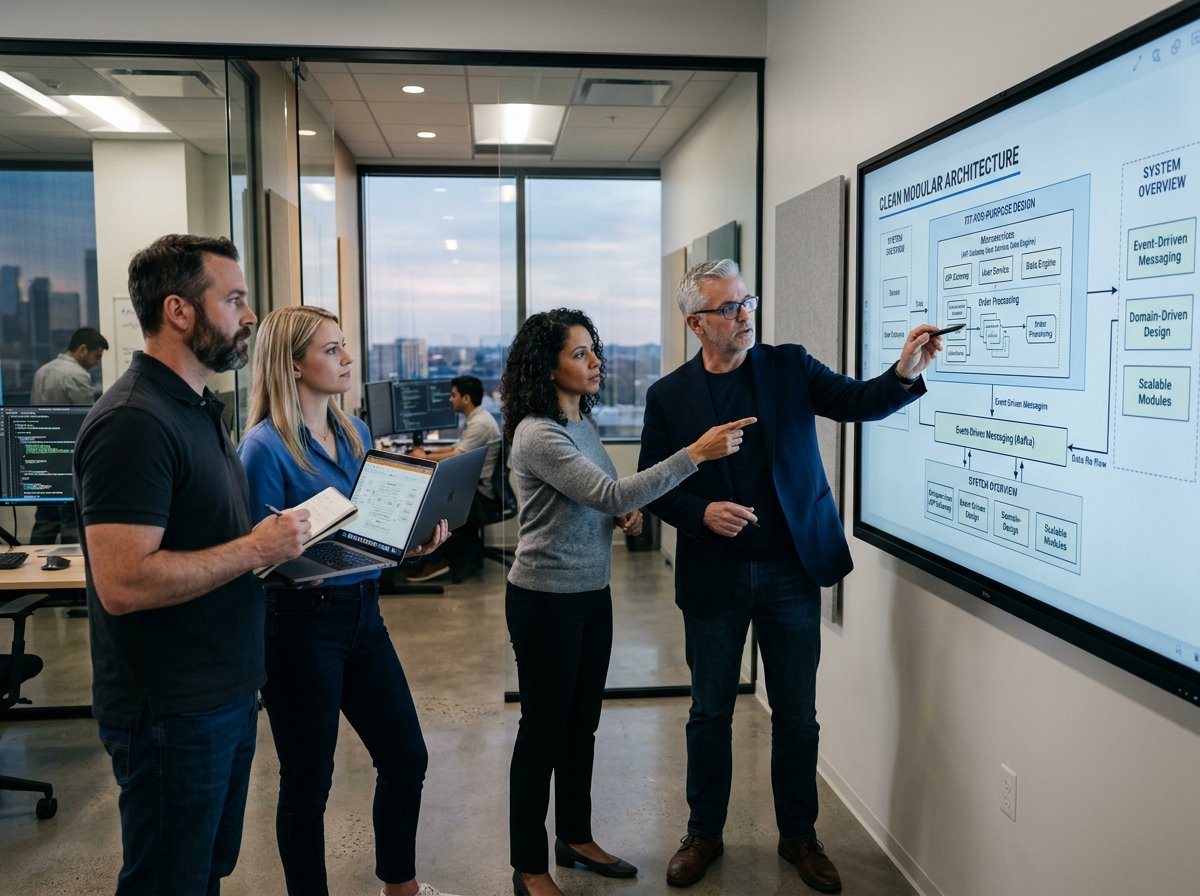
Build or configure a solution only where the business case, process need and expected value justify it. “Engineer” here means deliberately designing the fit-for-purpose solution, not a mechanical/electrical engineering service.
Engineer - When It Makes Sense
Decision Test

Is building or configuring a solution truly the best answer - and what is the simplest solution that will work?

How the perspective changes
1
Initial view“Custom software will fit us best.”
GOODBASE view“Can an existing product, configuration or lighter integration solve the requirement adequately?”
What changesCustom development becomes a justified choice, not a preference.
2
Initial view“Create a complex IoT platform.”
GOODBASE view“What minimum sensing, status logic and visualization will answer the operational question?”
What changesEngineering scope follows the decision need, reducing unnecessary complexity.
3
Initial view“Build one large system for everything.”
GOODBASE view“Can modular solutions solve high-value problems faster and integrate where necessary?”
What changesArchitecture follows business priorities and staged value realization rather than monolithic ambition.
GOODBASE in Practice

How the framework changes the questions we ask.

Instead of asking only...GOODBASE asks...
Which software should we buy?What business outcome are we trying to achieve, and what is preventing it today?
Can this process be automated?Should this process first be simplified, redesigned or eliminated?
How many features should the system have?Which capabilities will users actually adopt and which decisions must they make better?
Can AI do this?Where can AI create measurable value compared with a simpler workflow or rule-based automation?
Is the project delivered?Has the new way of working been adopted, stabilized and translated into the intended outcome?

One framework. Three capabilities.

GOODBASE guides how we think; CONSULT, TRANSFORM and ENABLE describe how we may contribute.

CONSULT

Understand & Improve

Goals, outcomes and data help identify the real problem and the highest-value intervention.

TRANSFORM

Redesign & Digitize

Business value, simplification and fit-for-purpose engineering guide process and technology design.

ENABLE

Implement & Embed

Organizational buy-in and adoption guide rollout, capability development, stabilization and improvement.

Frequently Asked Questions

Understanding GOODBASE

GOODBASE is broader than a digital-transformation methodology. It is an eight-principle decision framework for business improvement, process transformation, technology choices and adoption. It can be used even when no new technology is required.
Apply GOODBASE

Have a business or technology decision to make?

Start with the business objective, not the solution category.